Booking clinical resources
A scheduling interface for customer service agents to book clinical resources for customers.
Employers were looking for ways to collect employee vaccination information as COVID-19 policies changed. For LifeWorks, that created a time-sensitive product opportunity: could we deliver a useful submission tool while demand was still strong enough to justify the investment?
I led the design of a prototype that gave employees a guided way to submit their vaccination information. Our small feature team used employee usability testing to refine the experience and client demos to assess demand, while product and engineering evaluated feasibility and cost.
The product was never built. As employer interest shifted, the prototype helped the business evaluate the opportunity and decide against a full build. The value of the work was in making that decision before committing significant time and money.


(EAP) clients had asked LifeWorks for better ways to track employee vaccination status, and competing providers were already offering similar tools. There was a reason to explore the idea quickly, but client requests alone did not tell us whether it would justify the implementation and ongoing maintenance costs.
I started with the product team’s requirements and a rapid competitive review, looking at how existing tools handled vaccination status and document submission. I translated those findings into a focused prototype that stakeholders, employees, and clients could evaluate.
We needed to answer two questions. Could employees complete the submission confidently and with little friction? And would employers value the service enough to support a viable product? Usability testing and client demos helped us examine those questions separately.
To test the idea, we focused the prototype on one complete task: helping an employee submit their vaccination information correctly and quickly. A short, guided form handled submission, with a lightweight dashboard for reviewing progress and history and resolving errors. We prioritised mobile use because employees would arrive through an email link.
The service also needed to be manageable for the people supporting it. I conducted a rapid service-design review to identify where unclear requirements or submission errors could create support tickets and additional administrative work. That made guidance and error recovery central to the design.
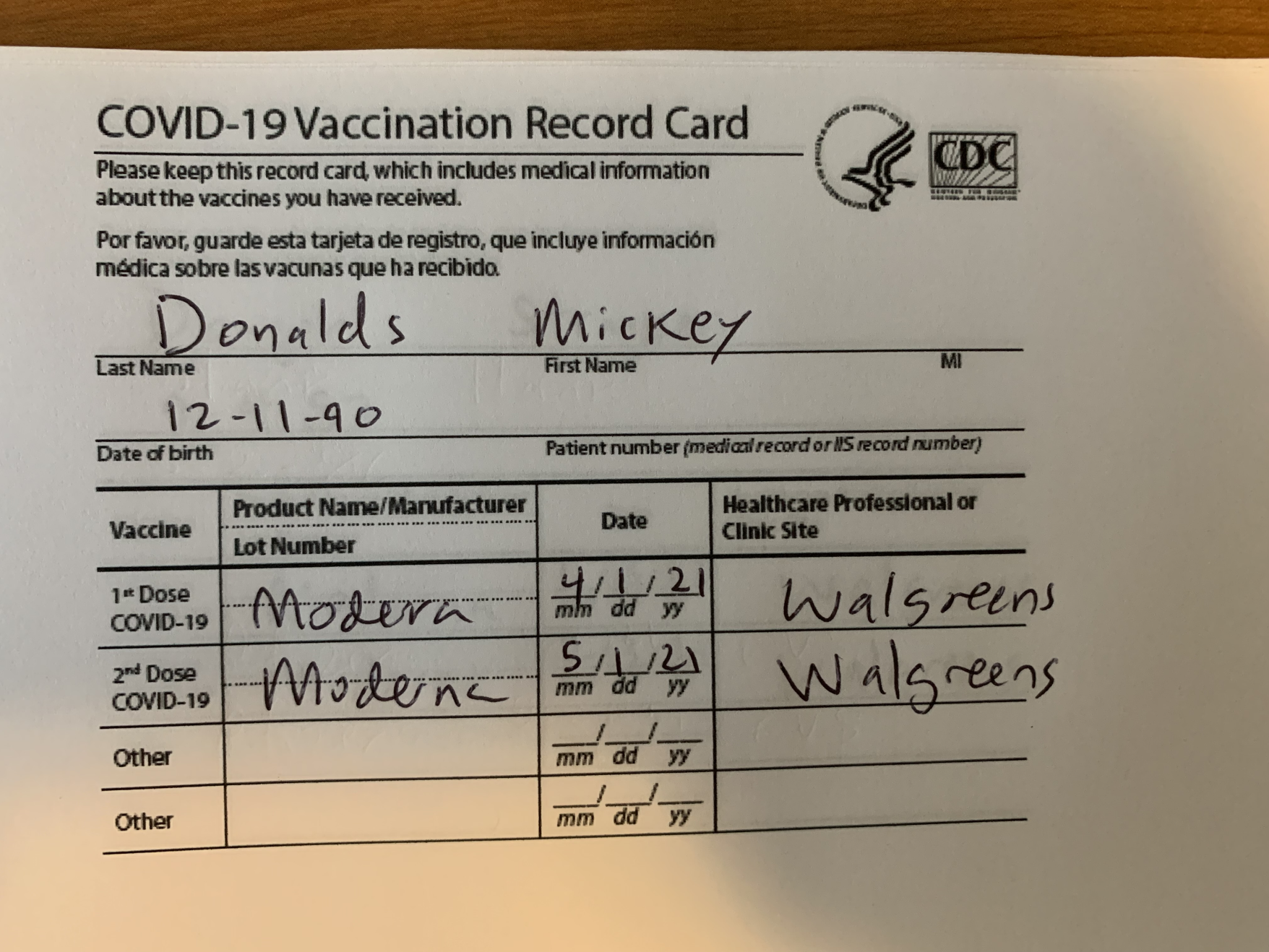
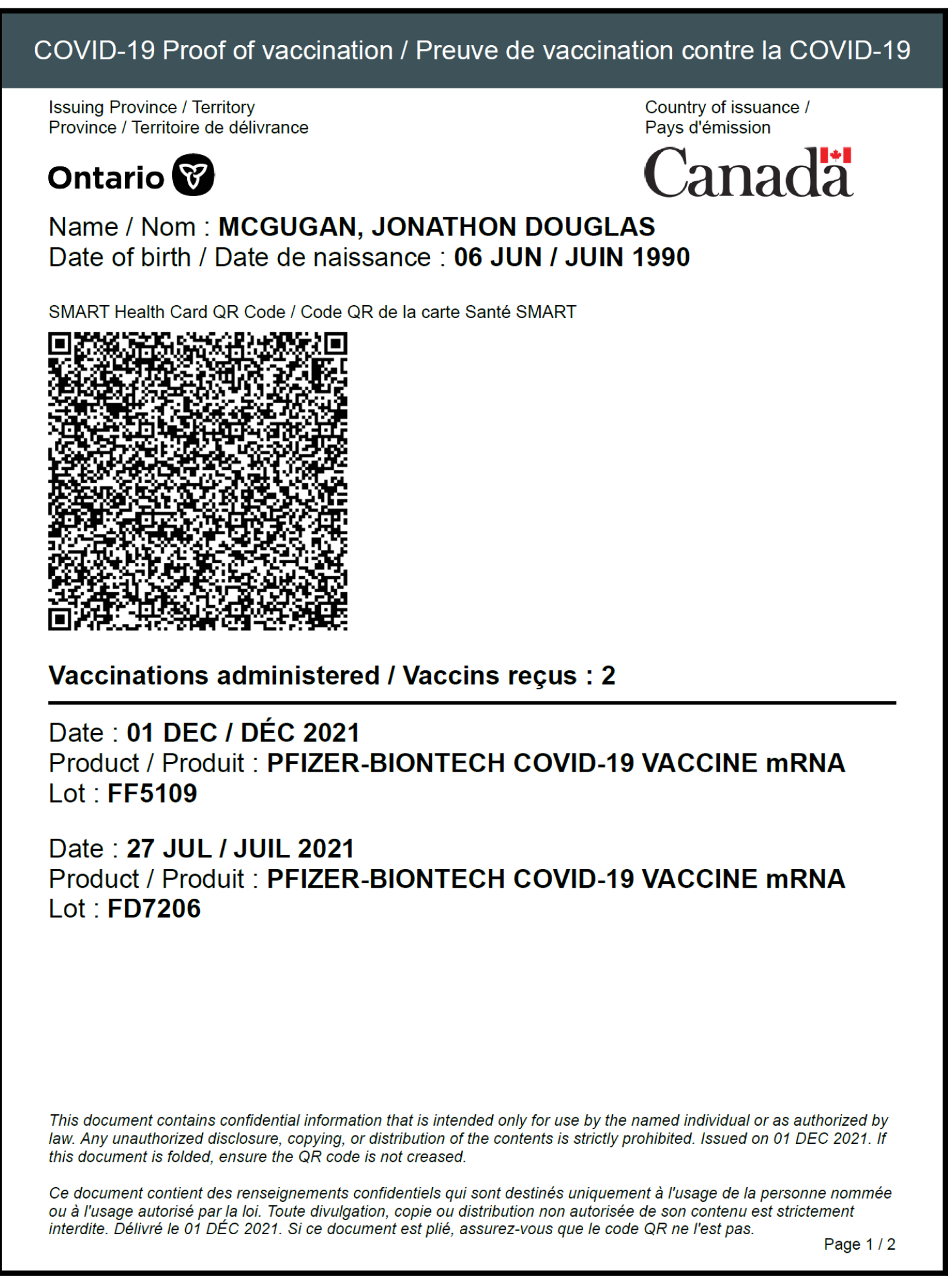
Employees could have different vaccination documents depending on where they lived, and requirements were changing. We gathered provincial and federal resources, showed what employees would need before they started, and placed examples beside the questions most likely to cause uncertainty.
Guidance would also need to stay current. We proposed managing help content through a CDN so examples and official guidance could be updated without waiting for a product release. Employee usability testing showed that the guided experience made the form easier to complete; reducing incomplete submissions remained an intended benefit.


We explained the required documents and time commitment before the user began, so they could prepare to complete the task in one attempt.
Vaccination data helped us decide which options to make easiest to select. Quick-select controls covered the most common vaccine brands, while users could still enter other products and prefill information from previous doses. This kept routine submissions short while accommodating regional and individual differences.
Usability testing showed promise for the employee experience, but the business opportunity was changing. As public discourse and employer policies evolved, clients became less willing to accept the perceived risks of mandatory employee vaccination reporting. The business decided that potential revenue no longer justified the implementation and maintenance costs.
The prototype gave the business something concrete to discuss with clients while evaluating demand and delivery costs. We could respond to their requests and explore the service before committing significant time and money to a shrinking market.
For me, the lesson was to evaluate usability and business viability together. Making a task easier to complete gave us evidence about the experience; it could not establish whether demand would last. Bringing both questions into the same process helped the team make an informed investment decision and strengthened design’s credibility within the organisation.
A scheduling interface for customer service agents to book clinical resources for customers.
An Employee Assistance Program (EAP) is a voluntary, work-based benefit that provides employees with confidential, free, and short-term support for personal or work-related issues affecting their well-being and job performance.
During the pandemic, people had already encountered government tools for submitting health information. Those products gave us familiar language and interaction patterns to draw on.
We adopted those patterns where they made sense for our users.
We paid particular attention to provincial government documents and ArriveCAN (yes, that one), aligning our language and document flows where appropriate.
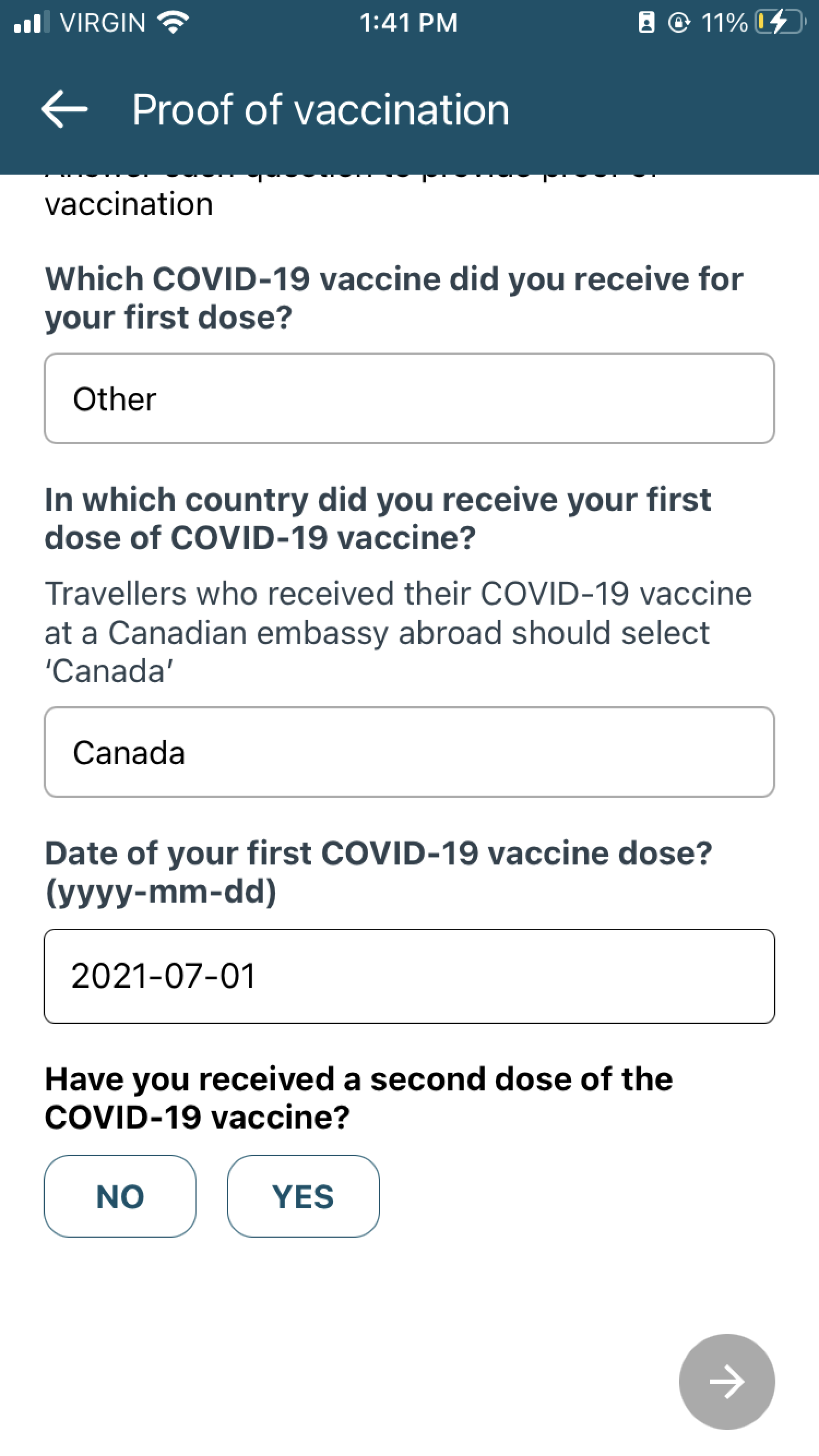
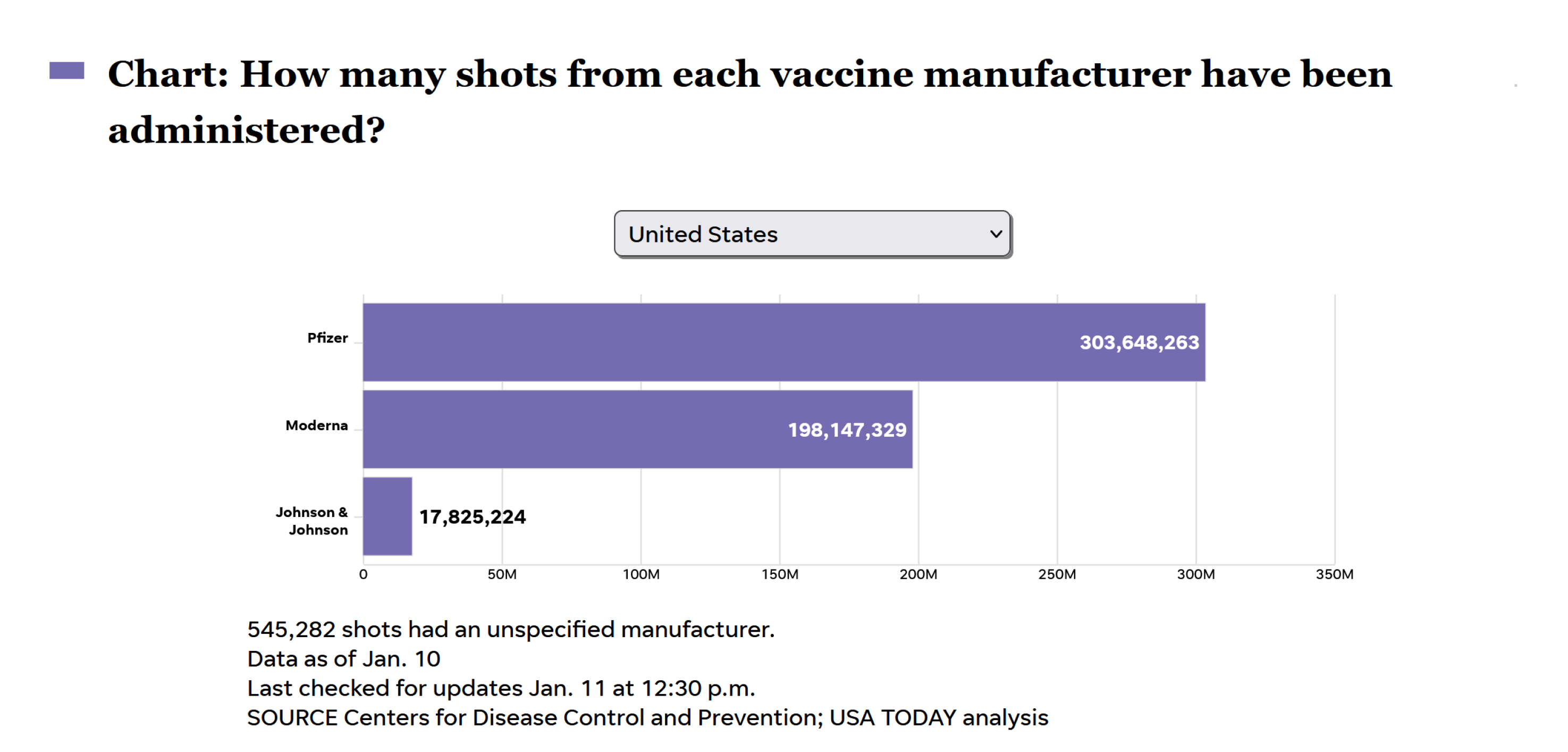
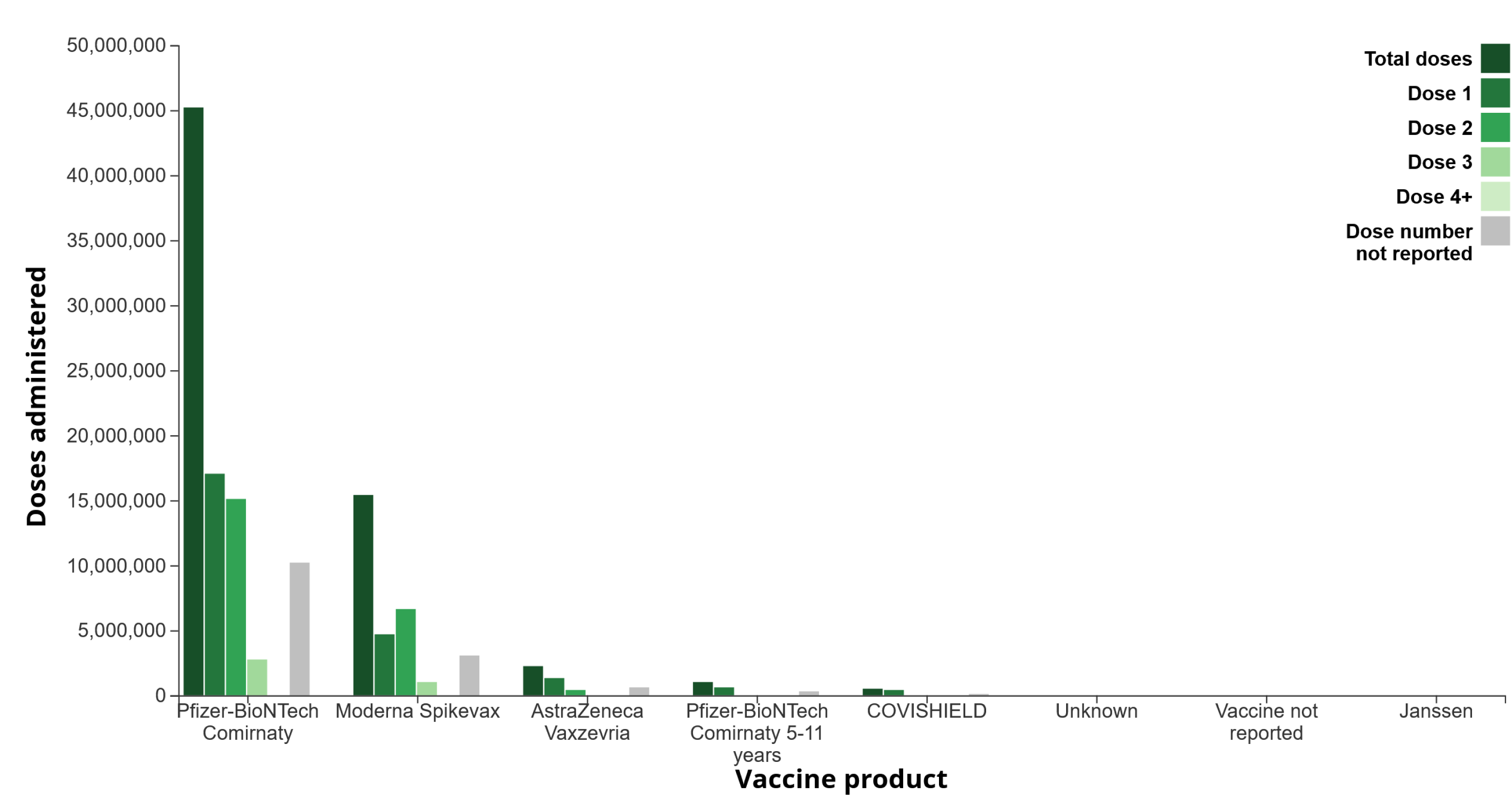
To streamline the form, we reviewed US and Canadian vaccination data. At the time of our research, Pfizer, Moderna, and Johnson & Johnson accounted for over 95% of administered doses in those markets. Data available here and here.
For our use case—EAP clients in the US and Canada—we could prioritise these brands.